BUYING GUIDE · 3 MIN READ ·
PPF vs Ceramic Coating: Which Is Better for Your Car?
PPF vs ceramic coating explained: what each one protects against, how they differ and why many car owners use both together.
Paint protection film and ceramic coating are often compared, but they work in very different ways.
What ceramic coating does
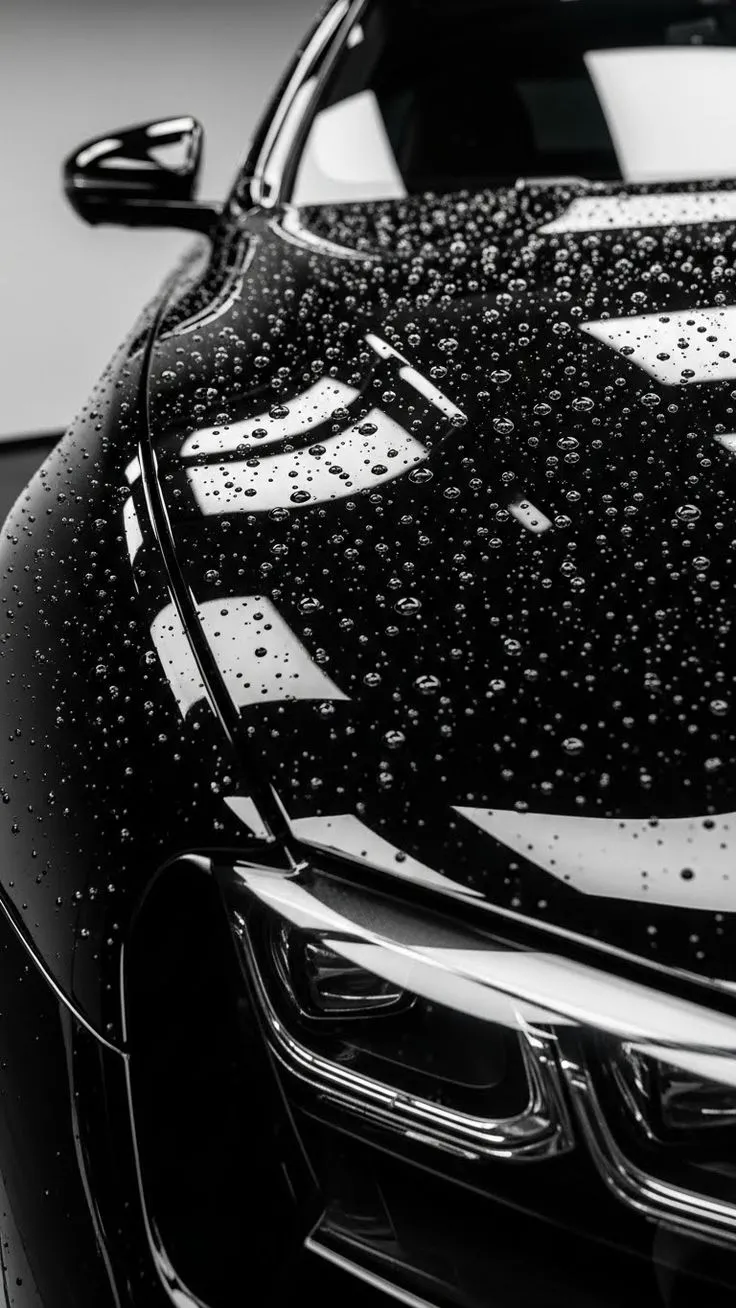
A ceramic coating is a liquid applied to the paint that cures into a very thin, hard layer. It adds gloss, repels water and makes the car easier to wash. Because it is so thin, it offers little protection against stone chips or scratches.
What PPF does
PPF is a physical film, far thicker than a coating. It is designed to take light abrasions, minor stone chips and everyday marks before they reach the paint. Self-healing topcoats help light swirls fade, and hydrophobic topcoats make the film repel water.
Side by side
- Stone chips: PPF gives physical protection; a coating gives very little - Scratches and swirls: a self-healing PPF helps light marks fade; a coating can reduce fine wash marks but does not heal - Water repellency: both can be hydrophobic - Look: both can add gloss, and PPF also comes in matte and coloured finishes
Can you use both?
Yes. Many owners apply a ceramic coating over PPF for extra gloss and easier washing. Check with your installer that the coating is suitable for the film.
Hydrophobic PPF
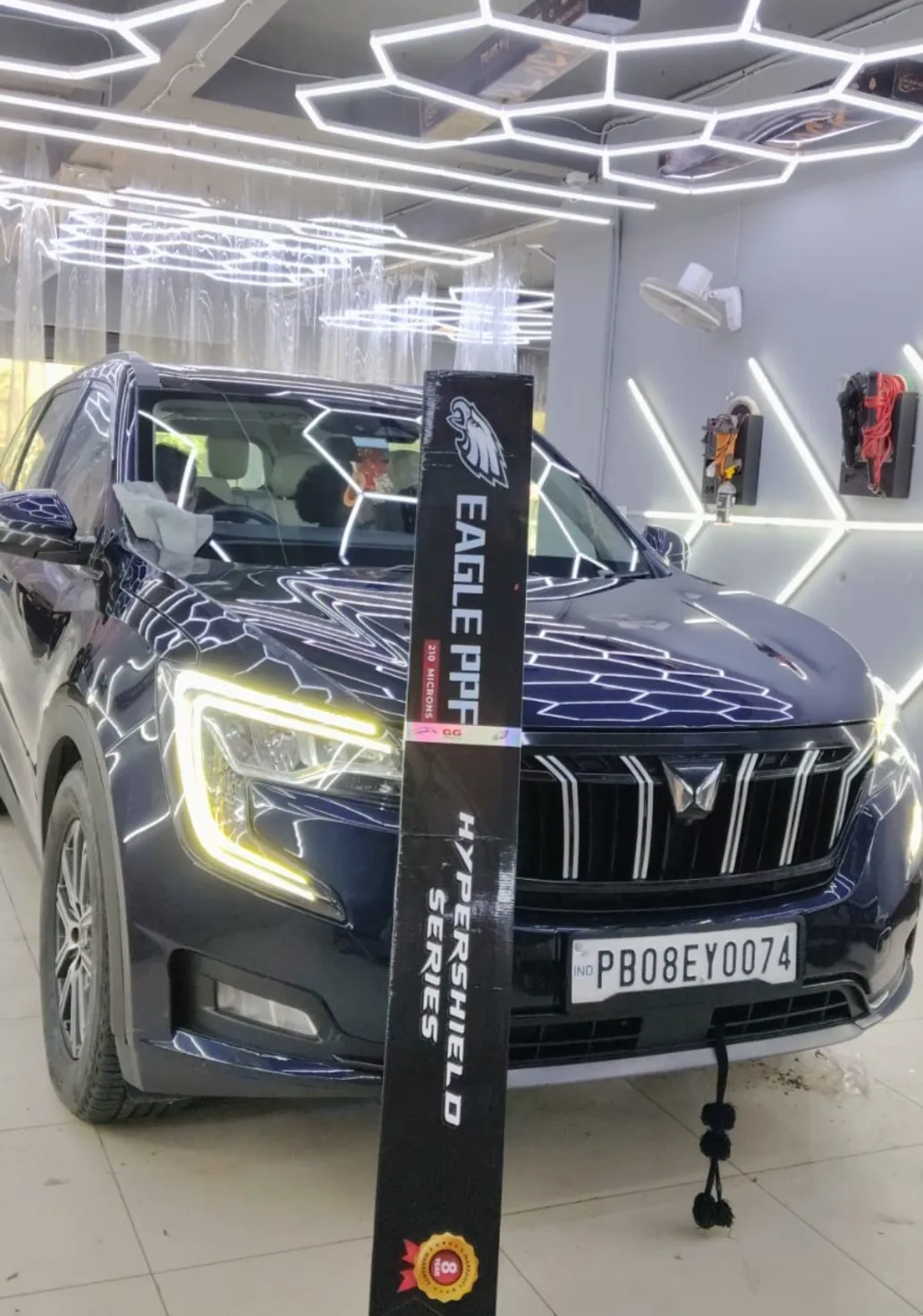
EAGLE PPF HyperShield includes an Ultra-Hydrophobic Topcoat as part of the film, so water beads and rolls off without a separate coating.
The verdict
If your main concern is stone chips and scratches, choose PPF. If you mainly want gloss and easy washing, a coating may be enough. For the most complete protection, many owners choose both. Explore EAGLE PPF films.